
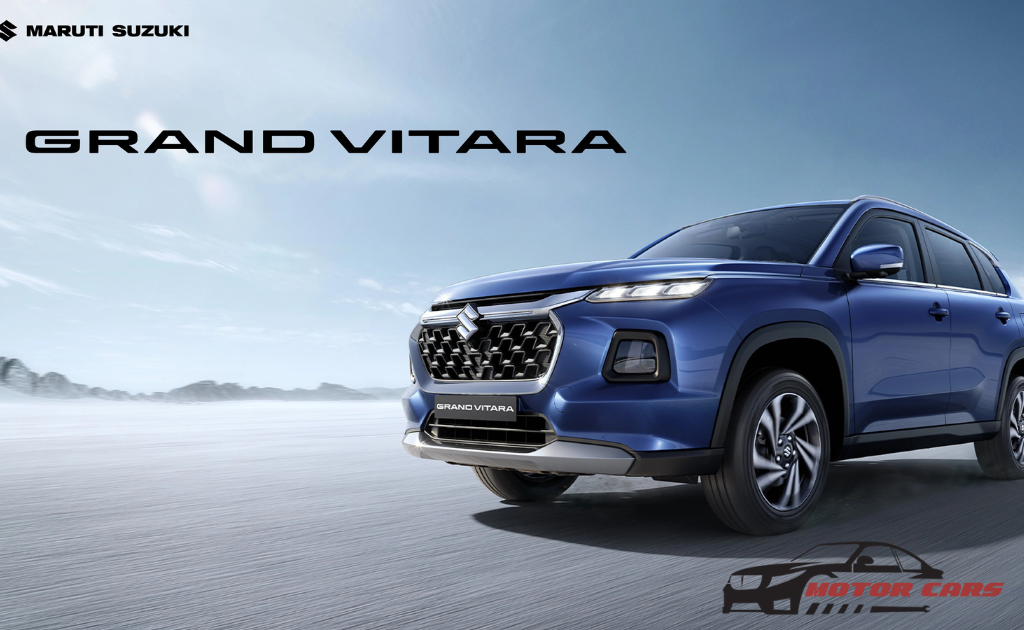

In November 2025, Maruti Suzuki announced a recall of 39,506 units of its popular mid-size SUV, the Grand Vitara. For a model that has become a flagship in Maruti’s SUV lineup, this is a significant move—and a major talking point for both current owners and prospective buyers.
Here’s a closer look at what happened, why the recall matters, and what owners should do next.
What Is the Issue?
The recall is centered on a fault in the fuel level indicator and the low-fuel warning light within the speedometer (instrument cluster) assembly. According to Maruti’s regulatory filing, the affected units may not accurately reflect how much fuel is actually left in the tank.
In other words, drivers could be misled about their fuel status, potentially overestimating how much fuel remains.
How Many Cars Are Affected?
- 39,506 units of the Grand Vitara are part of this recall.
- The affected cars were manufactured between December 9, 2024, and April 29, 2025.
This is notable because it’s one of the largest recalls for the Grand Vitara since its launch.
Why This Is Concerning
- Safety Risk: Not knowing the actual fuel level can lead to unexpected stalling or running out of fuel, which is particularly risky if it happens in a remote or unsafe area.
- Trust and Reliability: For a premium SUV, parts like the instrument cluster are critical to the user experience. A malfunction here can shake customer confidence.
- Cost to Company: Though Maruti is offering free inspection and replacement of the faulty part, the scale of the recall means a significant cost burden, both in parts and labor.
What Is Maruti Suzuki Doing About It
- Maruti Suzuki has committed to contacting affected vehicle owners.
- Authorized dealer workshops will inspect the speedometer assembly and replace the faulty part, free of cost.
- This is a voluntary recall, meaning Maruti is proactively addressing the issue rather than waiting for regulatory pressure.
Context: Grand Vitara’s Journey So Far
- The Grand Vitara is marketed as a flagship mid-size SUV, with both conventional petrol and strong-hybrid powertrain options.
- In April 2025, Maruti updated the Grand Vitara to include six airbags as standard across all variants, emphasizing its commitment to safety.
- Despite its strong positioning, this recall underscores that even premium models are not immune to quality-control challenges.
What Owners Should Do
If you own a Grand Vitara, here’s what you should do:
- Check Your Vehicle’s Build Date: Verify if your car falls within the affected manufacturing window (Dec 2024 – Apr 2025).
- Wait for Maruti’s Communication: The company plans to reach out to owners; keep an eye on any official communication (emails, calls, messages).
- Visit an Authorized Workshop: Even if you don’t feel any issue now, it’s wise to get the speedometer assembly inspected. If needed, Maruti will replace the part free of cost.
- Don’t Ignore Fuel Warnings: Until the fix is applied, be more cautious with fuel gauge readings—avoid running too close to ‘empty’ if possible.
Bigger Picture: Why Recalls Happen
- Design Complexity: Modern cars, especially SUVs like the Grand Vitara, have highly integrated electronics. Even a small glitch in the instrument cluster can create serious usability issues.
- Quality Assurance Limits: Mass production involves trade-offs. While automakers strive for zero defects, some issues only manifest after real-world usage.
- Brand Reputation: A well-managed recall (transparent, proactive, free repair) can reinforce trust. Conversely, a poor recall response can do lasting damage.
Conclusion
The Grand Vitara recall is a significant event—not just for Maruti Suzuki, but for the Indian auto market at large. It highlights the tightrope automakers walk between innovation, quality, and cost. For Grand Vitara owners, the situation is manageable: Maruti is addressing the issue, and the fix is free. But for prospective buyers, it’s a reminder to stay informed—not just about specs and design, but also about how a brand handles challenges.